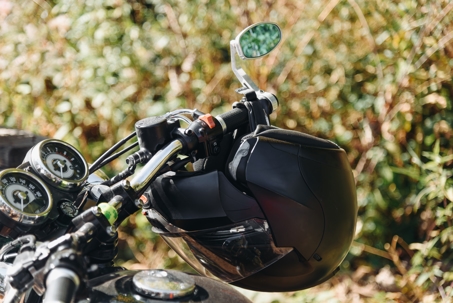
Every motorcycle ride carries a sense of freedom, but also brings significant legal and safety considerations—especially in Colorado. When you ride, decisions about helmet use carry implications far beyond the road. These choices can influence your health, your insurance claim, and your rights if another driver's mistake results in an accident. At Clawson & Clawson, LLP, our Colorado Springs motorcycle accident attorneys have nearly 100 years of combined legal experience helping local riders and families pursue fair compensation after serious crashes. We provide the insight you need to navigate Colorado’s unique motorcycle laws and insurance processes with confidence.
If you or someone you care about has been in a Colorado motorcycle crash, understanding the connection between helmet usage and injury claims can give you clarity and confidence about your next steps. Contact us today to get the information needed.
Are Colorado Riders Required to Wear Helmets?
Colorado’s helmet law is clear when it comes to age: riders and passengers under 18 must wear DOT-approved helmets, while adults aged 18 and over may legally choose not to. This distinction often surprises newcomers and out-of-state visitors who are accustomed to more stringent helmet laws elsewhere. Colorado law, specifically Section 42-4-1502 of the Colorado Revised Statutes, permits adult riders to forgo helmets, but all motorcyclists—regardless of age—are required to wear protective eye gear.
This legal flexibility for adults doesn’t diminish the importance of helmets. Many health organizations and the Colorado Department of Transportation strongly recommend helmets for everyone. Wearing a helmet reduces the risk of severe head injuries and fatalities, enhancing a rider’s safety at any age. DOT-approved helmets, marked with a clear DOT label, meet minimum safety standards and are recommended by state and national safety organizations.
For parents and guardians of minors, compliance is not optional. Helmets for young riders must conform to safety standards to be deemed sufficient by law enforcement and local courts. If a minor is found riding without a helmet, the consequences can include fines or further legal complications—especially if an injury occurs and a claim is filed.
How Does Helmet Usage Affect Motorcycle Injury Claims in Colorado?
Helmet usage is one of the first details evaluated after a motorcycle crash, especially when injuries involve the head, neck, or face. Insurance companies and opposing attorneys often question whether a helmet could have prevented or lessened the severity of your injuries. This scrutiny applies whether you’re filing a claim against another driver or defending yourself from partial fault allegations.
Colorado applies a modified comparative negligence rule to personal injury claims. This means a court or insurance company may determine that your decision to ride without a helmet contributed to your injuries, reducing your compensation by the percentage they assign to your choice. For example, if the court finds that not wearing a helmet made your head injury worse, and you’re deemed 25% at fault for your own injuries, your total compensation would be reduced by that amount.
However, this argument only applies when the injury is something a helmet could have prevented. If your injuries involve your spine, limbs, or internal trauma, helmet use is usually irrelevant. The key legal question is whether the absence of a helmet contributed directly to the injuries you’re claiming. Establishing that connection—or refuting it—requires a precise understanding of medical evidence and accident reconstruction, which is where an experienced motorcycle accident lawyer in Colorado Springs becomes invaluable.
Can You File a Claim if You Weren’t Wearing a Helmet?
Yes. Colorado law does not deny an injured rider’s right to seek compensation simply because they chose not to wear a helmet. What changes is how fault is evaluated. As long as your actions didn’t cause the crash and you are less than 50% responsible for your injuries, you can still pursue a claim.
For example, if you suffered a fractured arm and multiple abrasions in a crash, helmet use is unlikely to be a focal point for insurers or courts. However, if you sustained a traumatic brain injury, the argument can be made that a helmet would have mitigated the severity—and this can affect your settlement or judgment. The distinction is crucial when negotiating with insurance companies or preparing for trial, as each injury’s connection to helmet use must be specifically addressed.
After a crash, legal counsel helps evaluate your claim by gathering evidence, analyzing accident reports, and collaborating with medical professionals to draw a clear line between cause, injury, and fault. At Clawson & Clawson, LLP, we work with clients to present the strongest case possible under Colorado’s unique comparative negligence system.
Common Misconceptions About Helmet Use & Motorcycle Claims
A common misunderstanding among riders is that not wearing a helmet completely voids their right to compensation. That’s false. Under Colorado law, helmet non-use only becomes relevant when it directly relates to the injuries in question.
Another misconception is that courts always side against riders who weren’t wearing helmets. In practice, judges and juries require evidence showing that a helmet would have reduced or prevented the specific injury. For example, broken bones, spinal injuries, or road rash are not impacted by helmet use, so they remain fully compensable.
Lastly, some riders believe it’s best to withhold details about helmet use when reporting the crash. Doing so can harm your credibility if inconsistencies surface later. Transparency with your attorney allows them to build a stronger, proactive defense instead of reacting to challenges raised by insurers or opposing counsel.
How Insurance Companies Consider Helmet Usage & Evidence in Crash Claims
Insurance companies are meticulous when it comes to helmet-related details. Adjusters review police reports, witness statements, photos, and medical records to determine whether helmet use—or lack thereof—played a role in your injuries.
If your case involves head trauma, insurers might consult medical professionals to speculate how a helmet could have altered the outcome. But the burden of proof lies with them. Without clear medical or forensic evidence, they cannot simply assume non-use caused your injuries.
A seasoned attorney can push back against these tactics by highlighting contradictions in reports or presenting testimony that reinforces your version of events. At Clawson & Clawson, LLP, we handle these negotiations directly, ensuring every piece of evidence is used strategically to protect your claim.
Handling Claims Involving Passengers or Minors Without Helmets in Colorado
When a motorcycle accident involves a minor or a passenger without a helmet, Colorado law introduces several additional challenges. For those under 18, helmet use is not just a matter of safety but of legal compliance. If a passenger or minor is injured while riding without a helmet, insurance companies and courts may weigh this heavily in the fault analysis and potential compensation calculation.
Legal responsibility can also extend to the adult rider or parent who allowed a minor to ride without required safety gear. After an accident, these factors might impact how the court or insurers allocate responsibility and damages—sometimes leading to a greater reduction in awarded compensation to account for non-compliance with helmet laws.
For passengers of any age, whether their injuries relate to helmet use, who was at fault (the motorcycle operator or another driver), and their role in the accident can all play significant parts in the outcome. Riders and families should preserve as much evidence as possible, maintain honest records of the accident, and work with legal professionals who can clarify these nuanced responsibility issues.
What Evidence Matters When Proving Helmet Usage in an Injury Claim?
Proving or challenging helmet usage can determine the direction of your Colorado motorcycle accident case. Credible, carefully preserved evidence is a foundation for every successful injury claim. When law enforcement responds to a motorcycle crash, officers document whether riders and passengers wore helmets, making the police report an essential starting point for any claim involving helmet usage.
Medical records and emergency responder reports can confirm whether injury patterns are consistent with helmeted or non-helmeted riding. Comprehensive injury assessments often include notations about abrasions, impact points, and physical signs of helmet use, such as strap marks. These details give weight to the narrative provided by the rider or witnesses.
Do not discard your helmet after an accident, even if it is damaged—this can serve as physical proof supporting your account. Additionally, consider assembling:
- Clear accident-site and injury photos as soon as practical
- Testimony from bystanders, other riders, or passengers
- All written and verbal communications with first responders and medical staff
- Receipts or documentation proving helmet purchase and DOT compliance
At Clawson & Clawson, LLP, we help clients determine which forms of evidence will best advance their claims, ensuring all facts are well-documented for insurers and courts.
Local Factors for Motorcycle Accident Claims in Colorado Springs
Motorcycle injury claims in Colorado Springs may be influenced by local court norms and insurance response patterns. Courts in this region often pay careful attention to helmet usage, the specifics of local traffic laws, and community standards around motorcycle safety. Legal professionals with experience in Colorado Springs understand how these factors can influence negotiation and case outcomes.
Insurance adjusters handling claims in this area frequently evaluate not just the facts of the accident, but also the behaviors and choices typical among Colorado Springs riders. Wearing a helmet—even when not legally required—can sometimes tip the perception of responsibility in your favor or sway jury attitudes if your claim goes to trial.
If you are injured in a motorcycle accident in Colorado Springs, be proactive in preserving evidence unique to local conditions. This might include information about weather, road surfaces, and signage. Working with a team that understands Colorado Springs’ legal climate—like Clawson & Clawson, LLP—helps maximize your claim’s strength through each phase of the case.
What Steps Should You Take After a Colorado Motorcycle Accident—With or Without a Helmet?
Taking prompt, informed action after a motorcycle crash is crucial for your health and your case. Immediate medical care comes first—even injuries that seem minor should be checked, as symptoms of head trauma or soft-tissue damage might not show up right away. Thorough medical records will also clearly link your injuries to the crash, which is vital for your claim.
Once you are safe, gather as much evidence as possible from the scene. Document injuries, the motorcycle, any gear including your helmet, and nearby road conditions through photos. Collect witness names and contact details, and save all paperwork from police, EMS, or hospitals. Do not dispose of your helmet or other riding gear, as they may be crucial evidence later.
When you’re ready, consult an attorney with experience in Colorado motorcycle crash claims. An attorney can review your documentation, help assemble evidence, and clarify the legal issues around helmet use and comparative fault. By acting quickly and deliberately, you can protect your rights and start building a successful case for the compensation you deserve.
Why Legal Guidance Matters in Colorado Motorcycle Injury Claims
Experienced legal teams understand the factors that influence motorcycle injury claims in Colorado. From reviewing accident evidence and preparing witness statements to navigating complex comparative negligence law, legal representation gives you confidence through every stage of the claim process.
When you work with Clawson & Clawson, LLP, you benefit from decades of advocacy and a team familiar with both state and local dynamics—including insurance company tactics and jury expectations. Your attorney helps ensure that helmet usage is fairly evaluated, all medical evidence is well-presented, and insurance negotiations remain focused on the true circumstances of your accident.
If you are facing the aftermath of a motorcycle accident—regardless of helmet usage—consider reaching out to Clawson & Clawson, LLP at (719) 602-5888. Having access to seasoned legal guidance provides clarity, support, and a solid strategy to navigate your Colorado motorcycle injury claim.