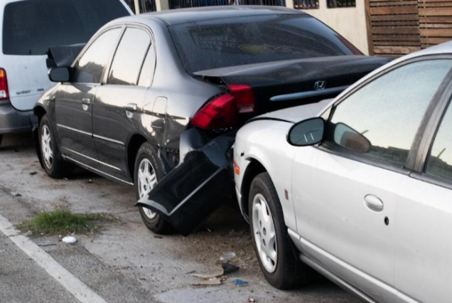
Rear-End Collisions in Colorado: What Victims Need to Know
By: Matthew C. Clawson, JD, MBA — Colorado Car Accident Attorney | Clawson & Clawson LLP
Rear-end accidents are the most common type of vehicle collision in Colorado. Whether on I-25 through Colorado Springs, Highway 50 in Pueblo, or congested Denver corridors like I-70, Alameda, and Colorado Boulevard, these crashes can cause significant injuries even at low speeds.
Colorado law generally presumes that the rear driver is at fault — but insurance companies still try to deny, delay, or reduce valid claims. Understanding your rights and knowing what steps to take after the collision can make or break your case.
This guide explains liability, common injuries, evidence you need, and how to recover full compensation under Colorado law.
Why Rear-End Collisions Are So Serious
Even a 10–15 mph impact can cause severe trauma due to sudden acceleration–deceleration forces. Victims often suffer injuries that do not appear for days, such as:
- Neck and back injuries
- Whiplash
- Concussions and traumatic brain injuries
- Herniated discs
- Shoulder and joint damage
- Nerve compression
- Chronic headaches
- Soft-tissue injuries
Rear-end collisions often happen because of:
- Distracted driving
- Tailgating
- Speeding
- Sudden stops
- Road rage or aggressive driving
- Snow, ice, fog, and reduced visibility
- Following too closely in heavy traffic
Who Is at Fault in a Colorado Rear-End Collision?
In most cases, Colorado law presumes the rear driver is negligent because every driver has a duty to maintain a safe distance.
However, insurance companies often challenge liability by claiming:
- The front driver “stopped suddenly”
- The front driver had malfunctioning brake lights
- The front driver reversed
- Road conditions created an unavoidable collision
- A third vehicle was responsible
This is why immediate evidence collection is crucial.
What to Do After a Rear-End Crash in Colorado
- Call 911 and obtain an official police report.
- Take photos and video of both vehicles, debris, skid marks, and the scene.
- Get the other driver’s information and witness statements.
- Seek medical treatment immediately, even if you feel “fine.”
- Do not speak to the insurance company before speaking with an attorney.
- Contact a Colorado accident lawyer to protect your rights.
Compensation Available to Colorado Victims
You may recover compensation for:
- Medical bills
- Lost wages
- Loss of earning capacity
- Pain and suffering
- Permanent impairment
- Rehabilitation costs
- Property damage
- Replacement vehicle
- Future medical care
Rear-end injuries can last months or years, so your settlement must reflect long-term needs — not just immediate expenses.
Colorado Rear-End Accident FAQ (15+ Legal Questions)
1. Is the rear driver always at fault in Colorado?
Usually yes, but exceptions exist. Colorado presumes the rear driver was following too closely unless evidence shows otherwise.
2. Can I still win my case if the insurance company blames me for stopping suddenly?
Yes. Sudden stops happen in traffic. You are still protected under Colorado negligence law.
3. What if the driver who hit me blames ice or snow?
Weather does not excuse liability. Drivers must adjust speed and following distance.
4. What if multiple cars hit me?
These “chain reaction” crashes require expert investigation, and multiple drivers may share fault.
5. What if the crash worsened a pre-existing condition?
Colorado law allows recovery when a crash aggravates prior injuries (“eggshell plaintiff rule”).
6. Can I file a claim if my symptoms appeared days later?
Yes. Delayed symptoms are extremely common in rear-end collisions.
7. Should I give the insurance company a recorded statement?
No. They will use it against you. Talk to an attorney first.
8. What if my car looks fine but I am injured?
Low property damage does not mean low injury. Many serious injuries occur in low-impact collisions.
9. What medical records do I need?
ER visit, chiropractic care, imaging, specialist evaluations, and any treatment notes help prove your case.
10. What if the at-fault driver had no insurance?
Your UM/UIM coverage may apply — often increasing your compensation.
11. How long do I have to file a rear-end accident claim in Colorado?
Three years for vehicle collisions (Colorado Revised Statute 13-80-101).
12. Will my case go to court?
Most settle. Litigation only occurs when insurers refuse fair compensation.
13. What if I was rear-ended by a commercial vehicle or truck?
Commercial liability policies are higher. Your case may be worth significantly more.
14. Can I recover rental car costs?
Yes, rental reimbursements or loss-of-use claims apply.
15. Will an attorney increase my settlement value?
Almost always. Insurance companies pay significantly more when victims have legal representation.
Why Choose Matthew C. Clawson, JD, MBA
- Proven results in high-value Colorado accident cases
- Decades of litigation and settlement experience
- Expertise in complex injury claims, disputed liability, and insurance-bad-faith cases
- Direct, personal, attorney-level representation
- Free initial consultation
- No fees unless you win
Colorado Regions We Serve
Clawson & Clawson LLP proudly represents accident victims throughout:
- Colorado Springs
- Pueblo
- Denver Metro
- Castle Rock
- Lone Tree
- Falcon
- Monument
- Fountain
- Woodland Park
- Douglas County
- El Paso County
- Jefferson County
- Arapahoe County
- Adams County
- Boulder County
- And all surrounding Colorado communities
To learn more about our top-rated legal services, please complete our online form or call 719-634-1848 or 303-805-9353 to schedule a free initial consultation. Matthew can be contacted directly at Matthew@clawson.law.
Legal disclaimer - This article is for informational purposes only and does not create an attorney-client relationship. Legal representation begins only after a written engagement agreement is signed. Results are not guaranteed. Colorado law may change, and this article may not reflect the most recent legal updates.