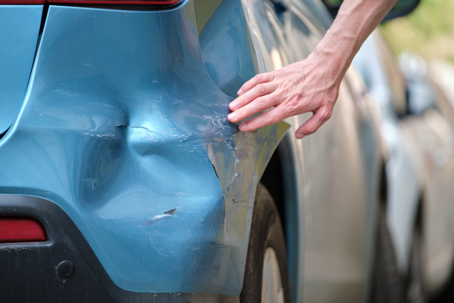
Hit-and-Run Accidents in Colorado: What Victims Must Do Immediately
By: Matthew C. Clawson, JD, MBA, Colorado Car Accident Attorney | Clawson & Clawson LLP
Hit-and-run accidents are some of the most frightening and frustrating collisions in Colorado. When the at-fault driver flees the scene, injured victims are left with medical bills, vehicle damage, lost wages, and no clear answer about who is responsible. Many people believe they cannot recover compensation unless the driver is found. Fortunately, that is not true.
Colorado law provides multiple avenues for financial recovery even when the at-fault driver is never identified. However, your actions in the minutes, hours, and days after the crash can make or break your case.
This guide explains exactly what to do, what rights you have, and how to get the compensation you deserve after a hit-and-run wreck anywhere in Colorado Springs, Pueblo, Denver, Castle Rock, Falcon, or along the Front Range.
What Counts as a Hit-and-Run in Colorado?
Under Colorado law, a hit-and-run occurs when a driver:
- Leaves the scene without stopping
- Fails to exchange information
- Does not render aid
- Does not report the accident
This applies to:
- Car-to-car collisions
- Pedestrian accidents
- Bicycle crashes
- Property damage accidents
Leaving the scene is a crime in Colorado, ranging from a misdemeanor to a felony depending on the severity of injuries.
What to Do Immediately After a Hit-and-Run
1. Call 911
Always report the crash. Police reports are crucial for insurance claims and UM/UIM coverage.
2. Write down details quickly
Include:
- Vehicle color
- Make and model
- License plate number, even partial plates
- Direction of travel
- Driver description
Even small details can help identify the driver.
3. Photograph the scene
Document:
- Vehicle damage
- Skid marks
- Debris
- Traffic signs
- Road conditions and surrounding area
4. Look for witnesses
Get names and contact information. Witness statements often determine liability.
5. Check nearby cameras
Potential sources include:
- Doorbell cameras
- Business security cameras
- Traffic cameras
- Parking lot surveillance
Your attorney can request and subpoena footage.
6. Seek medical treatment
Even if injuries seem minor, seek prompt evaluation and document everything.
7. Contact a Colorado accident lawyer
Hit-and-run claims require strategic handling to access all available insurance sources and preserve evidence.
How Hit-and-Run Claims Work in Colorado
Colorado allows victims to recover compensation through multiple sources:
1. Uninsured Motorist Coverage (UM/UIM)
Hit-and-run drivers are legally treated as uninsured motorists.
UM/UIM can cover:
- Medical expenses
- Lost income
- Pain and suffering
- Permanent impairment
- Wrongful death damages
Colorado law requires insurance companies to offer UM/UIM coverage, and many drivers have it without realizing.
2. MedPay Coverage
Pays medical bills regardless of fault. No reimbursement is required.
3. Collision Coverage
Covers vehicle repairs when the at-fault driver cannot be identified.
4. Criminal Restitution
If police identify the driver, restitution may be ordered through the criminal court case.
5. Civil Injury Lawsuit
If the driver is located, you may pursue full compensation through a personal injury lawsuit.
Colorado Hit-and-Run FAQ: 15 Detailed Legal Questions and Answers
- Can I file a claim if the driver is never found?
Yes. Your UM/UIM policy applies to unidentified drivers. - Should I chase the hit-and-run driver?
No. This is dangerous and may harm your case. - Will insurance deny my claim because the driver fled?
They may attempt to, but Colorado law protects hit-and-run victims. - Is a police report required?
Yes. UM/UIM claims typically require documented proof. - What if I do not have UM/UIM coverage?
You may still rely on MedPay and collision coverage. - Can I recover damages for pain and suffering?
Yes, through a UM/UIM injury claim. - Will my insurance rates go up?
No. Not for a not-at-fault accident. - How long do I have to file a claim?
Three years for personal injury claims. Insurance deadlines may differ. - Can witnesses help identify the driver?
Yes. Their statements can be critical evidence. - What if I only saw a partial license plate?
Law enforcement can still attempt identification. - Are hit-and-run claims harder to win?
They require stronger documentation, but many succeed. - Can pedestrians recover compensation?
Yes. Pedestrians can use UM/UIM coverage or sue if the driver is found. - What if the crash happened in a parking lot?
Coverage still applies. - Should I speak with my insurance company alone?
No. Statements can be used against you. Let counsel handle communications. - Can a lawyer help identify the driver?
Yes. Subpoenas, investigators, camera footage, and accident reconstruction can uncover responsible parties.
Why Choose Matthew C. Clawson, JD, MBA
Hit-and-run cases require a lawyer skilled in:
- UM/UIM coverage
- Medical causation
- Evidence preservation
- Insurance company tactics
- Criminal and civil case coordination
Clients choose Matthew Clawson because:
- Aggressive pursuit of hit-and-run drivers
- Maximum recovery against insurance carriers
- Direct attorney involvement
- No fees unless compensation is recovered
- Free consultations
Colorado Regions We Serve
Clawson & Clawson LLP represents hit-and-run victims across:
- Colorado Springs
- Pueblo
- Denver Metro
- Castle Rock
- Lone Tree
- Falcon
- Monument
- Fountain
- Woodland Park
- Douglas County
- El Paso County
- Jefferson County
- Arapahoe County
- Adams County
- Boulder County
- And surrounding Colorado communities
To learn more about our top-rated legal services, please complete our online form or call 719-634-1848 or 303-805-9353 to schedule a free initial consultation. Matthew can be contacted directly at Matthew@clawson.law.