Rear-End Collisions on I-25: How Fault Is Determined Under Colorado Law
By Michael M. Clawson, Colorado Personal Injury Lawyer
Rear-end collisions on I-25 are some of the most common crashes in Colorado. Traffic stops suddenly, someone is following too closely, or a driver looks down at their phone for just a second. Before anyone realizes what happened, two or three cars are stacked in the middle of the interstate. Knowing how fault is determined can make a major difference in your injury claim.
In Colorado, the general rule is that the driver who rear-ends another vehicle is presumed to be at fault. The law expects drivers to leave enough distance to stop safely—even in heavy traffic. But that doesn’t mean the front driver is automatically in the clear. Colorado’s comparative negligence system means responsibility can be shared if the facts support it.
A real example helps illustrate this. A client of ours was slowing down for traffic near the Monument exit. The driver behind them was speeding in the fast lane and slammed into their bumper. That case was straightforward—following too closely and excessive speed made the fault clear. But in another case, a front driver braked suddenly to merge around debris, and the insurer tried to blame both drivers. This is where evidence becomes crucial.
Police reports play a big role in determining fault. Officers document skid marks, damage patterns, and driver statements. Insurance companies review these reports carefully, but they don’t always accept them without question. Sometimes an adjuster will try to argue that you “stopped too quickly” or that weather conditions made the crash unavoidable. A Colorado Springs car accident lawyer can help push back when the insurer tries to shift blame unfairly.
Witness statements also make a huge difference. A neutral driver who saw the crash unfold can confirm whether someone was tailgating or driving aggressively. On I-25, where speeds are high and traffic is unpredictable, witnesses often describe seeing one driver weaving through lanes before causing the crash. Those details help strengthen your case.
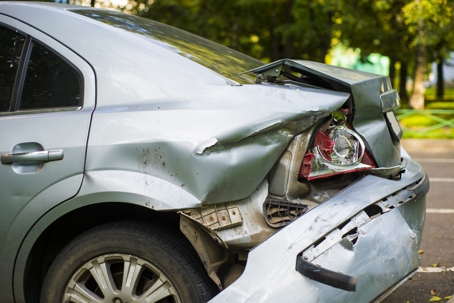
Vehicle damage patterns matter as well. Rear-end collisions typically leave clear signs: crushed bumpers, transferred paint, or accordion-style impacts. Even low-speed crashes can cause injuries like whiplash and back strain. Insurance companies often downplay these injuries, especially when property damage looks “minor.” But anyone who’s been in one knows the pain can last much longer than expected.
Colorado’s comparative negligence law allows you to recover damages as long as you are less than 50% at fault. If the insurance company tries to assign you 20% or 30% responsibility for something you didn’t cause, your settlement drops by that percentage. That’s why building a strong case early—photos, medical care, and professional representation—can make a big difference.
In multi-car rear-end collisions, fault becomes more complicated. The driver who caused the first impact is often responsible for the chain reaction. But each collision still gets evaluated separately. For example, if Car A hits Car B, and Car B gets pushed into Car C, Car A usually carries the majority of liability. These cases often require careful investigation to properly allocate fault.
If you were injured in a rear-end collision on I-25, you shouldn’t have to fight the insurance company alone. A Colorado personal injury attorney can help gather evidence, deal with adjusters, and make sure you understand your rights before accepting any offer. Rear-end crashes may seem straightforward, but insurers often try to complicate them to reduce payouts.
If you were hit on I-25 and want to know where you truly stand, your best step is to talk to a Colorado Springs personal injury lawyer who can evaluate your case. At Clawson & Clawson, we’ve helped clients across Colorado Springs, Pueblo, and Denver recover millions in compensation — and we’re ready to fight for you.
Call us today at 719-634-1848 for a free consultation. We’ll explain your rights, deal with the insurance companies, and help you get the care you need without financial stress.
We don’t get paid unless we win for you.
Michael M. Clawson | Colorado Personal Injury Attorney
Colorado Springs Office: (719) 634-1848
Denver Metro & Front Range Office: (303) 805-9853
Email: Michael@clawsonattorney.com
Legal Disclaimer- This article is for informational purposes only and does not constitute legal advice. Reading this content or contacting the attorney does not create an attorney-client relationship. Legal decisions and outcomes depend on the specific facts of each case. Colorado laws may change, and you should consult a licensed attorney for advice tailored to your circumstances. No guarantee is made regarding the accuracy or completeness of the information provided.